>
Dental Implants at Element Dental
Dental Implants

Dental
Implants.

A permanent, natural-feeling solution — designed to look, feel, and function like your own teeth.

Central Coast Dentist  ·  Dental Implants
Home  /  Services  /  Dental Implants
Google Rating – 5.0 star ★★★★★

The Gold
Standard.

Implants are considered the gold standard in replacing one or more teeth as they are both functionally and aesthetically closest to your natural teeth. Generally, there are two parts to a dental implant: a titanium or zirconia screw that is inserted into the bone, and an implant crown or bridge that screws or cements into the implant.

Implants must be placed well within the confines of the bone, at a specific depth and angle, for optimal function and appearance. If there is insufficient bone, bone grafting or sinus lifting is often possible before or during the implant insertion appointment.

All implants are planned using advanced 3D imaging and planning software, allowing precise positioning and assessment of surrounding structures. Where positioning requires a high level of precision, a surgical guide is ordered.
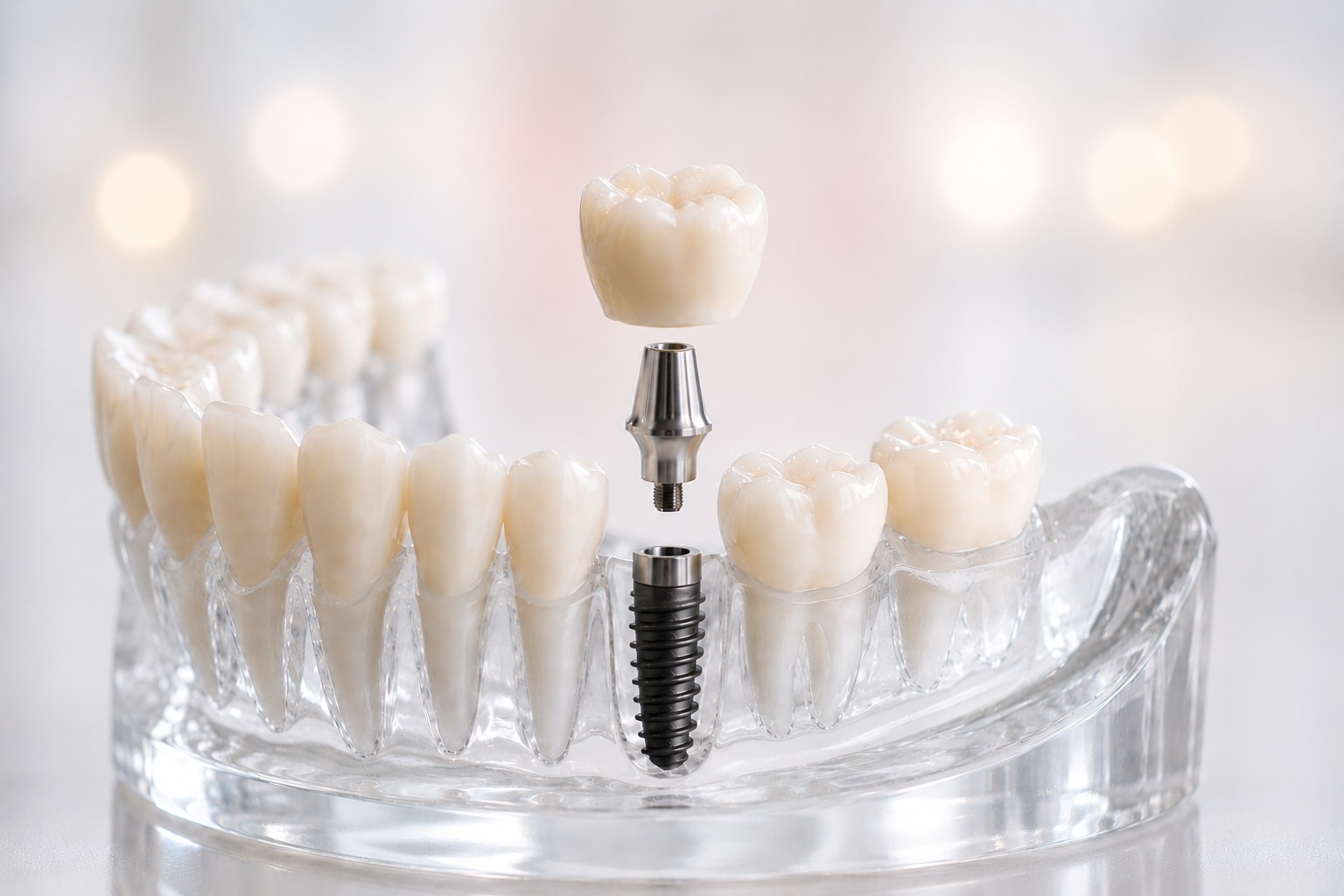
Dental Implant Model

For illustration purposes only. Individual treatment planning and outcomes may vary.

From
Consult to Crown.

01
Consultation & 3D Planning

Your complimentary consultation includes a personalised assessment and discussion. Where precise planning is required, a 3D scan ($170) allows us to review bone volume, surrounding anatomy, and identify any preparatory procedures — such as bone grafting or sinus lifting. A detailed quotation, timeframe, and treatment plan are provided from there.

02
Implant Placement

The implant is surgically placed. A surgical guide is often used to ensure millimetre-precise positioning. Bone grafting may be performed at this stage if required. Depending on the case, a standard or custom healing abutment is placed — or in aesthetic zones, a temporary crown. In some cases a two-stage approach is used, where the implant is buried beneath the gum with a cover screw and the healing abutment fitted at a later stage once integration is underway.

03
Osseointegration

Over the following 3–6 months, the implant gradually fuses with the surrounding bone — a process called osseointegration. During this period, we schedule regular check-ins to monitor integration progress. Most patients experience minimal disruption to their day-to-day life during this phase, and can go about their normal routine.

04
Crown or Bridge

Once integration is confirmed, a digital impression is taken and a custom ceramic crown or bridge is crafted by our master ceramists and precisely attached to the implant. The result is a permanent, natural-looking tooth — functionally and aesthetically indistinguishable from your own.

The Element
Difference.

We select only the highest quality implants — Straumann and Osstem — and use gold-standard bone and tissue graft materials from Geistlich and Osstem for optimal integration and longevity.

Premium Implant Brands

We select only the highest quality implants — Straumann and Osstem — and use gold-standard bone and tissue graft materials from Geistlich and Osstem for optimal integration and longevity.

3D Precision Planning

Every implant is planned using our Sirona XG3D imaging system. This allows us to assess bone volume, nerve canals, and sinuses before surgery — making treatment safer and more predictable.

Advanced Surgical Expertise

Dr Josue Nolde has focused his career on implantology and has published research in implant longevity. He performs advanced procedures including sinus lifting, soft tissue grafting, and the Versah ridge expansion and sinus lift technique for complex cases.

Surgical Guides

For cases requiring high precision, we use custom-fabricated surgical guides to ensure millimetre-accurate implant placement — improving outcomes and reducing surgical risk.

Complimentary Consultation

We offer a no-gap initial consultation for implants, giving you the space and clarity to explore your options before committing to treatment.

Flexible Payment Plans

Interest-free payment plans are available for eligible patients through Denticare, making quality implant treatment more accessible.

Investment

Investment
Considerations.

Dental implant costs vary depending on the number of implants, complexity, and any additional treatments required — such as tooth removal, bone grafting, sinus lifting, custom abutments, temporary crowns or dentures, and whether a multi-step process is needed.

Please see our price guide for reference pricing. For an accurate personalised quote, take advantage of our Complimentary Consultation.

Single Implant — Starting From
$4,990

Additional costs may apply for bone grafting ($1,100+), sinus lifting ($1,500+), and surgical guides ($440). An interest-free payment plan is available for eligible applicants.

View Price Guide →
Real Patients.
Real Results.

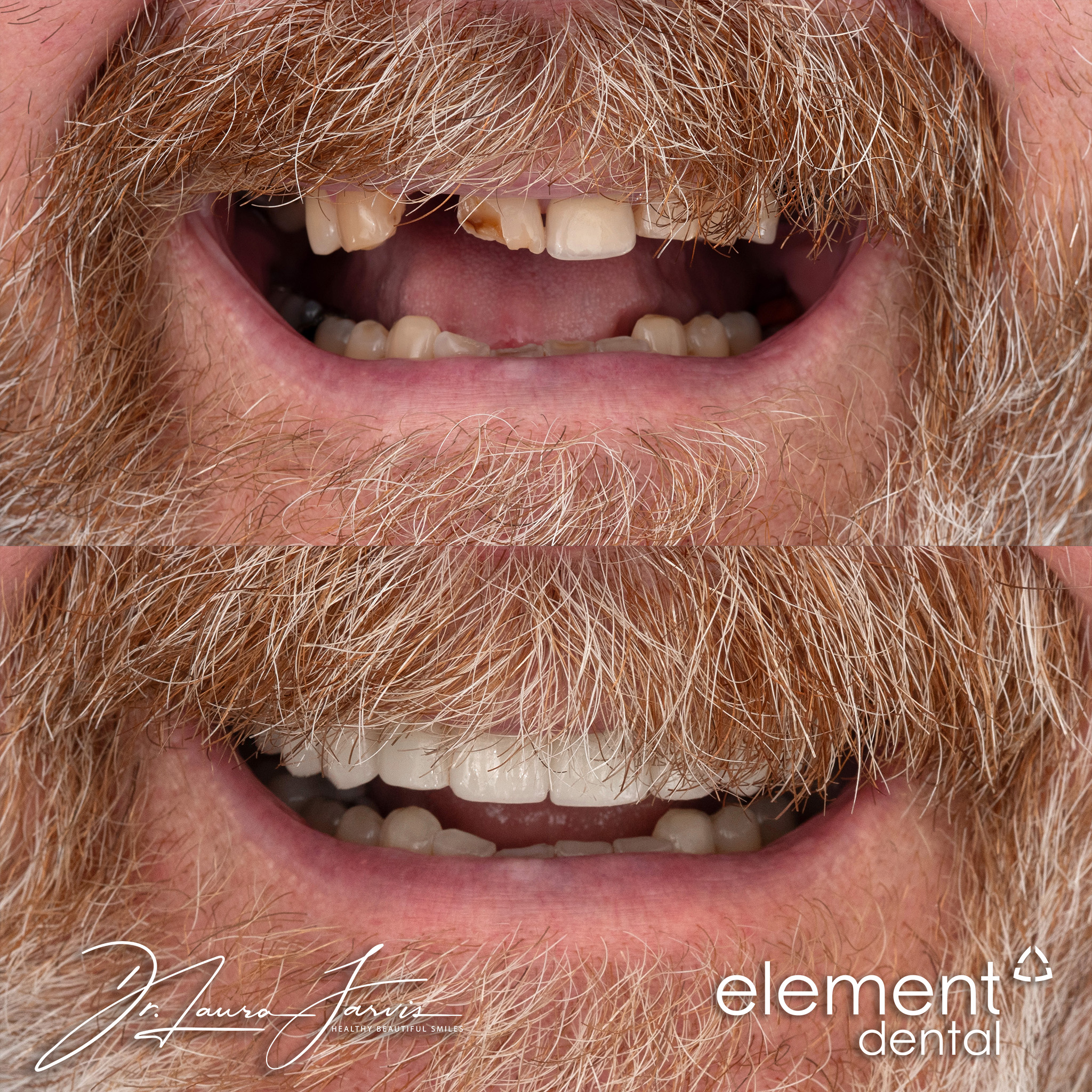
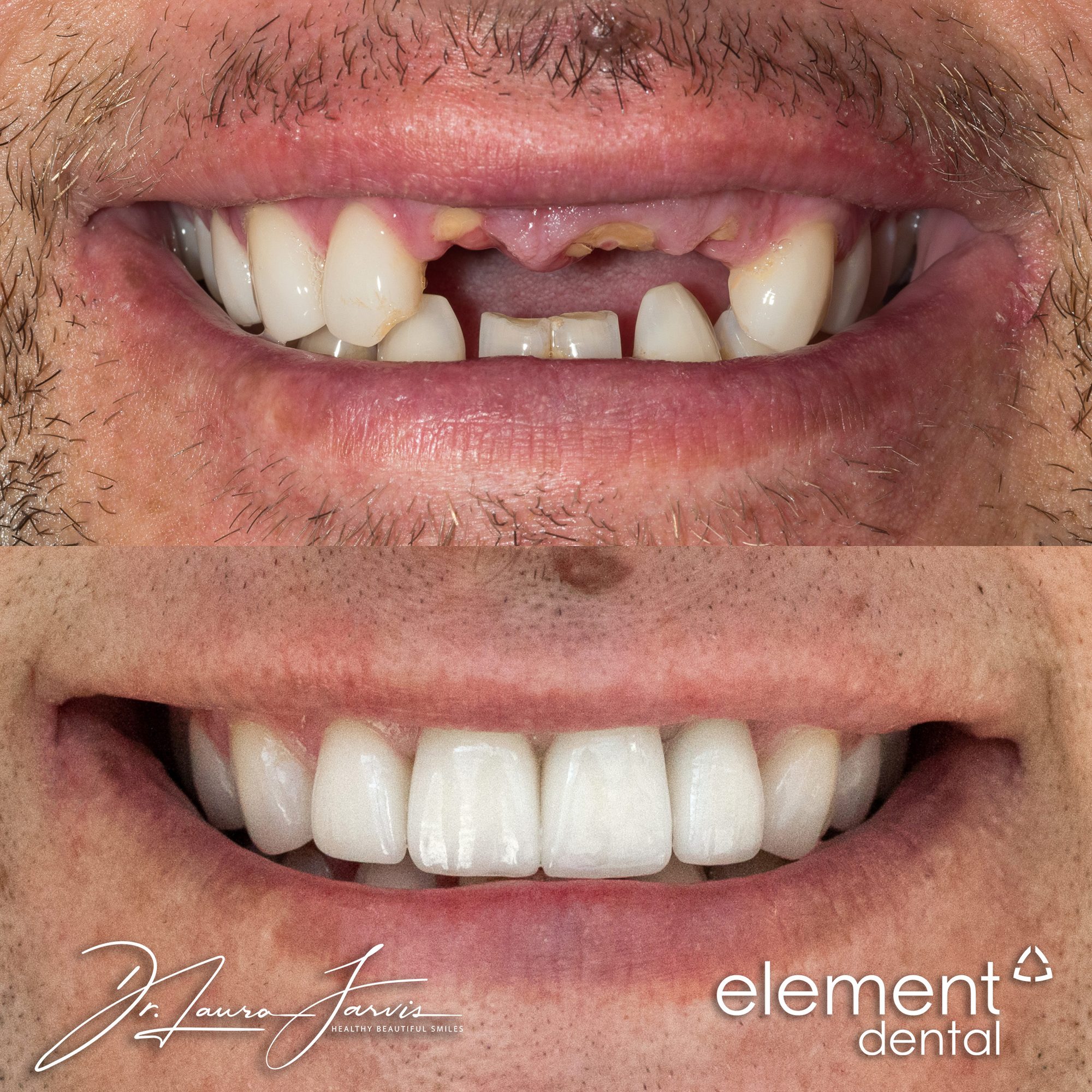
Dental implant — Patient 019

Treatment

3 Implants + 1 Crown + Teeth Whitening

Duration: 6 months  ·  After photo: 2 weeks post-treatment

Dr Laura Jarvis (DEN0001141026) — Registered Dentist, General Registration

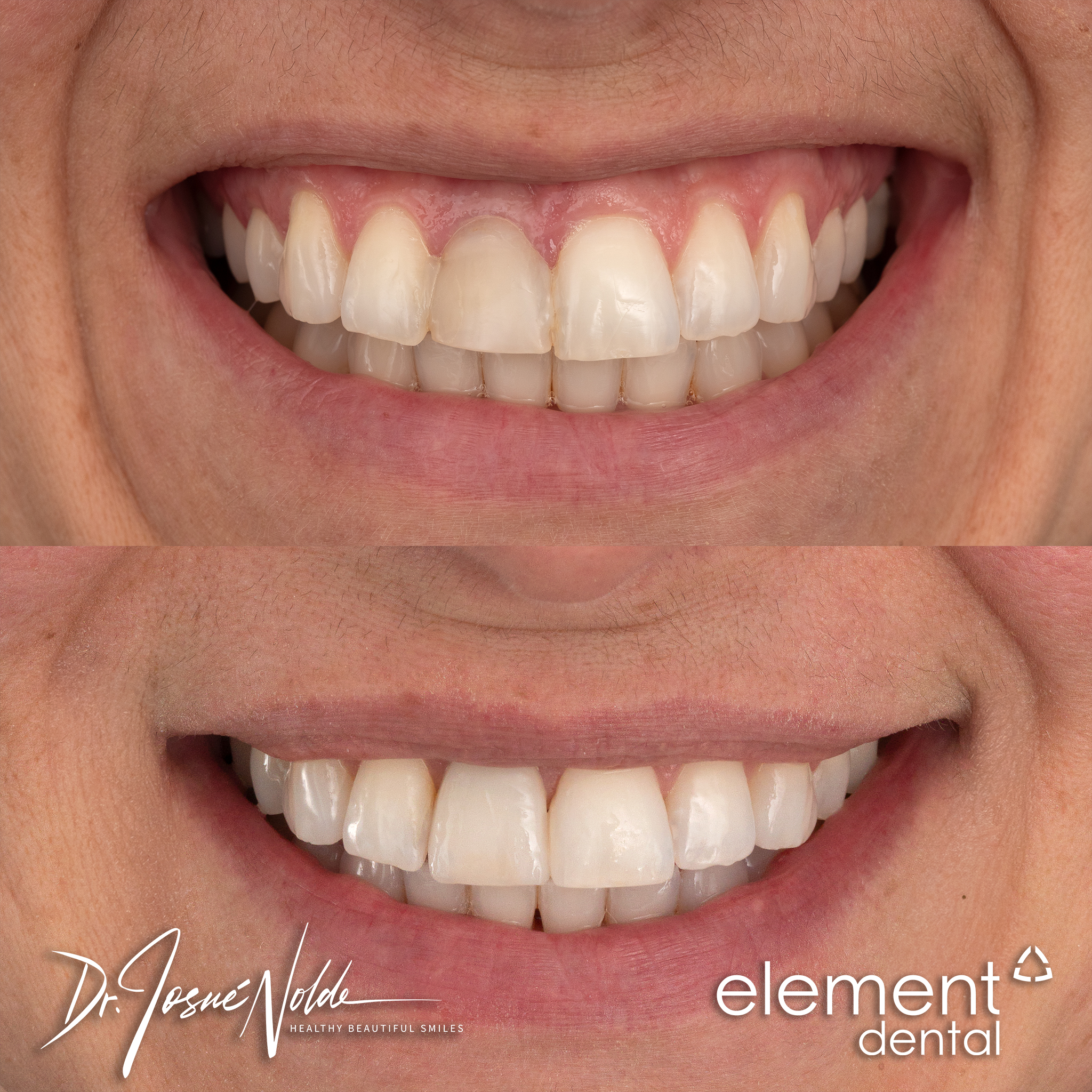
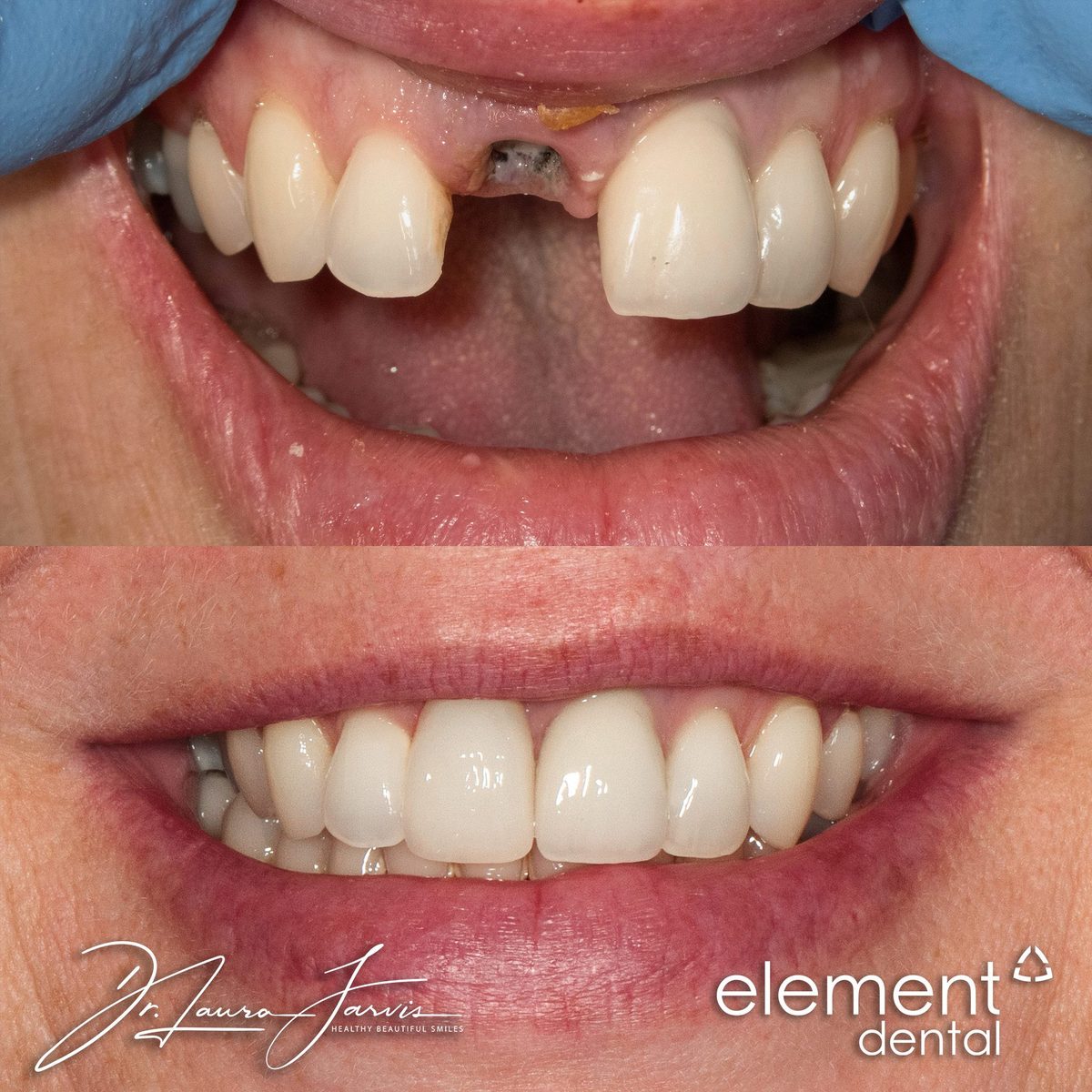
Dental implant — Immediate Implant

Treatment

1 Immediate Implant

Duration: 5 months  ·  After photo: 1 month post-treatment

Dr Laura Jarvis (DEN0001141026) — Registered Dentist, General Registration

Dental implant — Patient 025

Treatment

4 Implants + Implant Bridge + Sinus Lift + 2 Specialist Root Canals + Whitening + 10 Crowns + Occlusal Splint

Duration: 18 months  ·  After photo: 1 month post-treatment

Dr Laura Jarvis (DEN0001141026) · Dr Josh Nolde (DEN0002297805) — Registered Dentists, General Registration · Implant Insertions + Sinus Augmentation

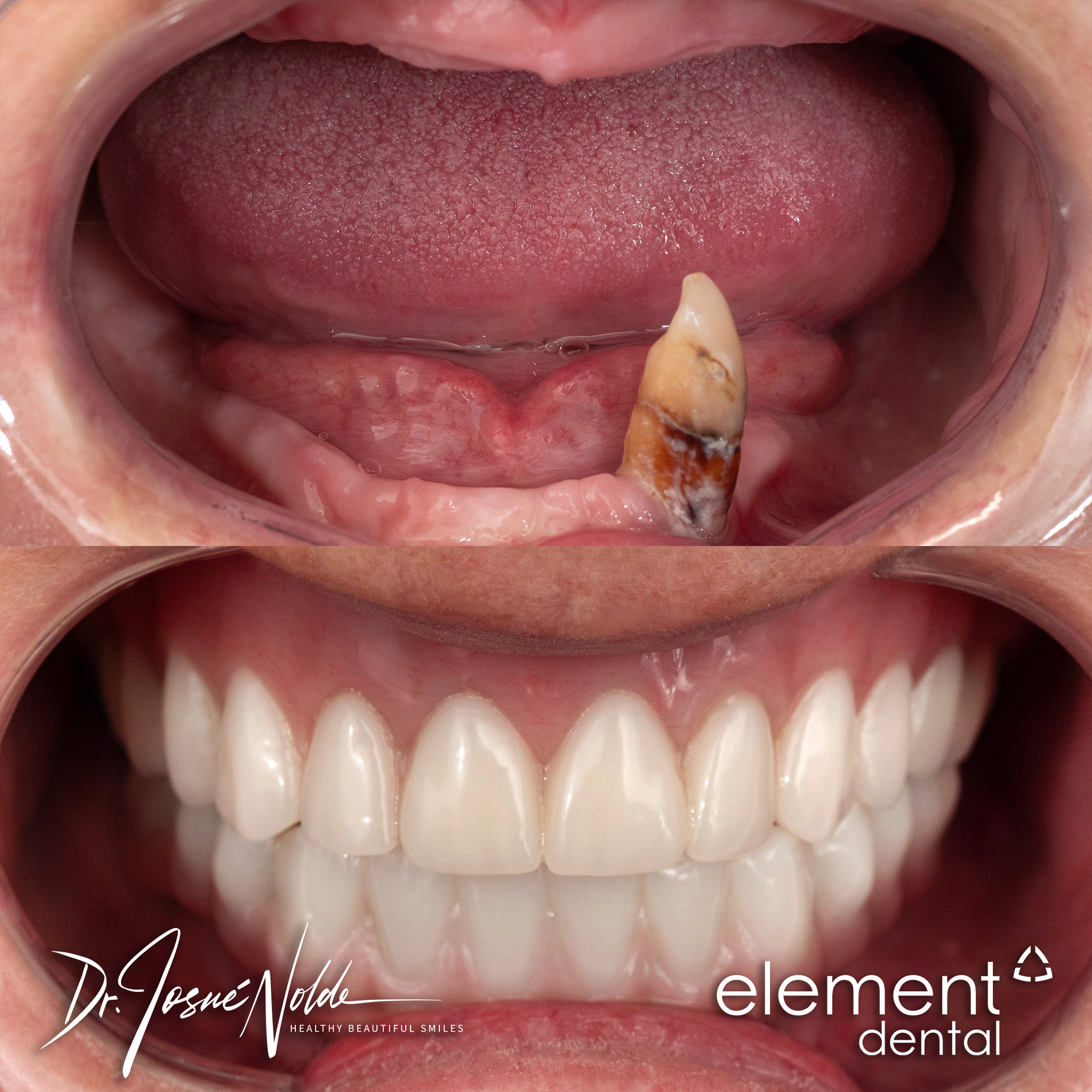
Dental implant — Patient 029

Treatment

Upper Implant-Retained Bridge (2 Straumann Implants) + Lower Implant-Supported Denture (4 Osstem Implants)

Duration: 7 months  ·  After photo: 4 weeks post-treatment

Dr Josh Nolde (DEN0002297805) — Registered Dentist, General Registration

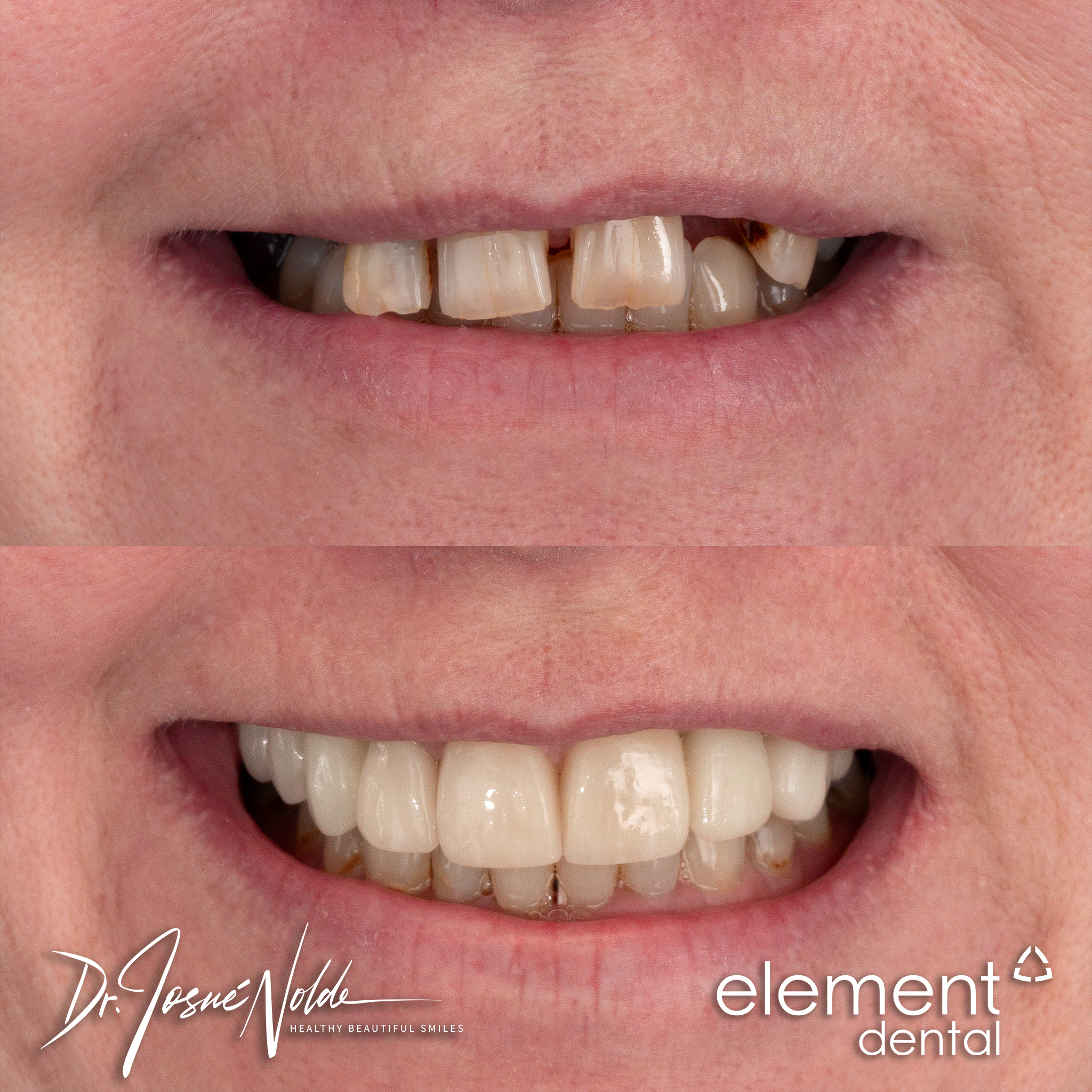
Dental implant — Patient 028

Treatment

4 Dental Implants + Implant Bridge + 1 Crown + 4 Ceramic Veneers + Teeth Whitening

Duration: Staged over 24 months  ·  After photo: 1 month post-treatment

Dr Josh Nolde (DEN0002297805) — Registered Dentist, General Registration

Dental implant — Patient 030

Treatment

11 Dental Implants + Teeth Whitening

Duration: 6 months  ·  After photo: 2 weeks post-treatment

Dr Josh Nolde (DEN0002297805) — Registered Dentist, General Registration

Results, recovery time, and potential risks may vary depending on the individual and the procedure performed — results are unique to each individual. After images were taken 0–6 months post-treatment. A personalised consultation with one of our dentists is essential to determine the most suitable treatment for your needs. Images are shown with patient consent and have no filters or AI enhancement. Treatment details and risks for each procedure can be found here.

From the Blog

A Patient's Guide to
Dental Implants

What implants actually are, what the surgery involves, and why it's often far easier than you imagine.

Read the Article  –  Dental Implants

Ready to explore
your options?

Your complimentary consultation includes a personalised assessment, treatment plan, and quote — at no cost to you.

General & Cosmetic Dentistry & Implant Centre
–  Erina Dentist

Common Questions

Dental Implant
FAQs.

Costs vary depending on complexity and what treatment is required. At Element Dental in Erina, we keep implant treatment affordable with pricing starting from $4,990. Additional items that may affect your total include a surgical guide, custom healing abutment, temporary implant crown, bone grafting, or a two-stage surgical approach. Our dentists will provide a clear, itemised quotation based on your individual needs — with no surprises.

The implant fee covers the implant insertion and the final crown, along with suture removal appointments and intra-oral scans or impressions. Additional treatment items — such as extraction, surgical guide, bone grafting, sinus lift, or sedation — are quoted and itemised separately so you understand exactly what is involved and why.

Dental implants are classified as major dental. Fund members with major dental cover should have some level of benefit available. Relevant item numbers include implant insertion (one-stage: 688; two-stage: 684) and the crown (all-ceramic: 671; ceramic over metal base: 672). Some funds treat the implant and crown under the same annual limit — in which case staging treatment across two calendar years may allow you to claim maximum benefits for each. Benefits, waiting periods and exclusions vary significantly between funds, so we recommend obtaining an itemised quotation from us and confirming each item directly with your insurer.

Dental implant surgery is performed under local anaesthetic and is a highly controlled procedure — most patients are genuinely surprised by how comfortable it is. Post-operative discomfort is effectively managed with analgesics. Mild tenderness, swelling or bruising in the days following surgery is normal and expected, and typically resolves within a week.

Treatment commonly takes several months from consultation to the final crown, allowing sufficient time for the implant to integrate fully with the jawbone (osseointegration). The timeline may extend if extraction, bone grafting, a sinus lift, or other preparatory treatment is required beforehand. We provide a clear timeline and key milestones at your initial consultation.

Most patients return to light daily activities within one to two days. Swelling and tenderness typically improve over the following week. The implant itself continues to heal and fuse with the surrounding bone over a period of several months — a process that occurs quietly beneath the surface while you carry on normally.

Many adults with missing teeth are suitable candidates for dental implants. Our dentists assess bone levels, gum health, bite, medical history, smoking status and ability to maintain good oral hygiene before recommending treatment. A complimentary consultation is the best place to start — there is no cost and no obligation.

Bone loss does not automatically prevent implant treatment. Three-dimensional imaging allows us to assess precisely how much bone remains and whether it is sufficient. Where bone volume is inadequate, grafting, an alternative implant position, or another tooth-replacement option may be recommended. The only way to know for certain is an assessment.

A bone graft may be recommended when there is insufficient healthy bone to support an implant predictably. Not every patient requires one — your need can usually be determined through a clinical examination and 3D imaging at your consultation. If grafting is required, it will be clearly explained and itemised in your treatment plan.

Both smokers and people with diabetes may still be suitable candidates, but healing and long-term success rates can be affected. Smoking cessation before and after surgery, and well-controlled blood glucose levels in diabetic patients, significantly improve treatment predictability and reduce the risk of complications. We discuss these factors openly at consultation.

In selected cases, an implant can be placed immediately at the time of extraction — reducing the total number of surgical appointments and potentially preserving bone more effectively. This depends on available bone volume, the absence of active infection, gum condition, and whether the implant can be stabilised securely at the time of surgery.

A temporary tooth can often be provided during the healing period, particularly in areas visible when you smile. Depending on the clinical situation, it may be attached directly to the implant, or provided as a temporary bridge or removable appliance. We plan for aesthetics from day one — you will not be left without a tooth where it matters.

Dental implants can remain functional for many years — and often for decades — with appropriate care. Longevity depends on gum health, bone support, oral hygiene, smoking status, bite forces, and attendance at regular professional maintenance appointments. The crown on top of the implant may require replacement over time, but the implant fixture itself is designed to last a lifetime.

Dental implants have a high success rate, but failure can occur. Possible contributing factors include poor healing, infection (peri-implantitis), bone loss, smoking, uncontrolled diabetes, excessive bite forces, and inadequate cleaning around the implant. Careful patient selection, thorough planning and consistent maintenance significantly reduce this risk.

Dental implants are brushed twice daily with particular care given to the gumline around the implant. Floss, interdental brushes or a water flosser are recommended — especially around implant bridges and full-arch restorations where access beneath the restoration is important. Regular professional maintenance appointments allow us to monitor implant health and keep the surrounding tissue stable.

The best option depends on the health of the neighbouring teeth, available bone, treatment timeline and long-term priorities. An implant stands independently and does not involve the adjacent teeth, preserving their structure. A bridge is a well-established alternative and may be preferable when adjacent teeth are already heavily restored, bone volume is limited, or a surgical option is not desired. We present both options honestly at every consultation.

Dental implants generally provide greater stability and a feel closer to natural teeth, while conventional dentures are removable and do not require surgery. The right choice depends on the number of missing teeth, bone levels, overall health, budget and personal preference. Implant-supported dentures offer a middle path — the stability of implants with the convenience of a removable appliance.

Yes. Dental implants can replace a single tooth, several adjacent teeth, or an entire arch. An implant-supported bridge can often restore multiple missing teeth using fewer implants than the number of teeth being replaced — a more efficient and cost-effective approach than placing an individual implant for every gap.

Not always. A single implant typically replaces one missing tooth, but two or more strategically placed implants can support a bridge that replaces several adjacent teeth without the need for an implant in every position.

Implant-supported dentures are removable replacement teeth that clip securely onto dental implants. They offer significantly greater stability and confidence than conventional dentures — no shifting, no adhesive — while remaining removable for daily cleaning. They are a popular choice for patients replacing multiple or all teeth.

Full-arch dental implants — also known as All-on-4 or All-on-X — replace all teeth in an upper or lower jaw using a bridge supported by multiple implants. Treatment may result in a fixed or removable implant-supported restoration depending on your anatomy, bone levels and treatment goals. This is a highly transformative option for patients who have lost most or all of their teeth.

In selected cases, a fixed temporary bridge can be placed on the same day as implant surgery. These are provisional teeth used during the healing and integration phase, with the definitive bridge fitted after the implants have fully fused with the bone. Whether same-day loading is appropriate depends on bone quality, implant stability and individual clinical factors.

A carefully planned and placed dental implant can closely resemble a natural tooth in appearance and function. The final result depends on implant positioning, gum shape and volume, bone support, and the colour, form and proportions of the custom-made crown — all of which are considered in detail during treatment planning.

At your complimentary consultation at Element Dental in Erina, our dentists assess your teeth, gums, bite, medical history and treatment goals. You will leave with a clear picture of the proposed treatment, timeline and cost — with no obligation to proceed. For a more personalised plan with precise quoting, a 3D radiograph is available at an additional cost of $170.